



The Federal Ministry of Transport (BMV) is providing support to transport companies in Germany with a new call for funding for switching bus fleets to climate-friendly drives with batteries or fuel cells.
The measure is a core initiative of the coalition agreement and signifies an important step towards climate-neutral public transport.
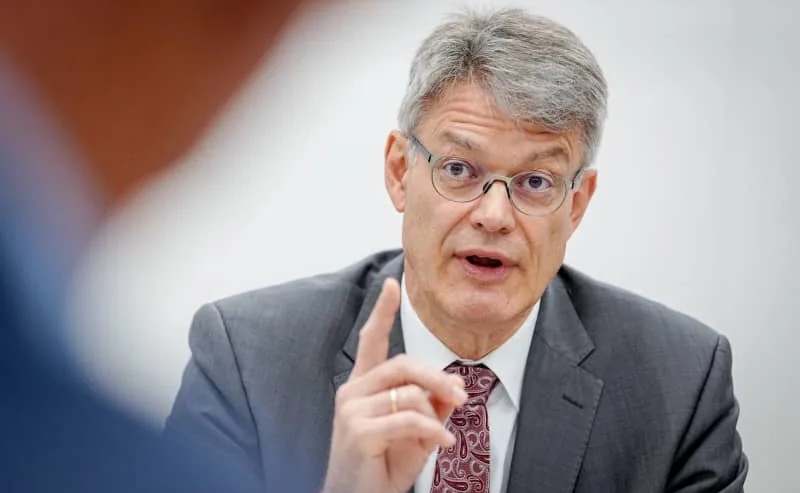
Federal Transport Minister Patrick Schnieder says: “To achieve clean mobility for all we need climate-friendly technologies and robust public transport. The new funding call puts more climate-neutral buses on the road, nationwide.”
“We’re not just making a concrete contribution to achieving our climate goals, we’re also creating modern, quiet and clean mobility for local people,” he adds.
Transport companies and other users in the industry are eligible for funding.
Project outlines for planned procurements or conversions may be submitted by 31 August 2025 via the easy online portal. An online seminar on funding takes place on 15 July 2025.
What is funded?
- Battery buses (incl. trolley buses)
- Fuel cell buses (incl. range extenders)
- Conversion of conventional units to alternative drives (battery and fuel cell drives)
- Charging, refuelling and maintenance infrastructure
Funding is awarded according to a competitive process.
The project outlines that are submitted will be evaluated on the basis of their CO₂ prevention, the contexts of their use, electrification quotas and their funding requirements.
The call is based on the government draft for the 2025 federal budget and is subject to the planned funds being approved in the parliamentary process.
The projects will be approved after the Federal Budget Act comes into force in the autumn of 2025.
Review: Successful funding since 2021
Since the introduction of the guideline on ‘Funding alternative bus drive systems in public transport’ in 2021, the procurement of around 3,500 buses have been approved, of which over 1,000 vehicles are in operation.
They will potentially save 2.8 million tonnes of CO₂ over their service life.
NOW GmbH and Project Management Jülich (PtJ) are undertaking the implementation.
Some of the funding is cofinanced by the German Recovery and Resilience Plan (DARP) via the European Recovery and Resilience Facilities (ARF).
READ MORE
-
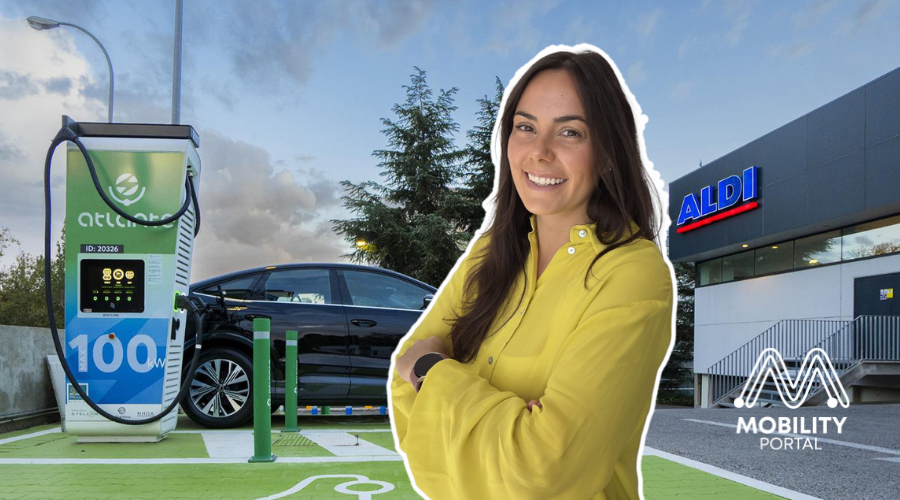
Atlante y su “modelo híbrido”: generación, almacenamiento y recarga ultrarrápida para un sistema más resiliente
Atlante acelera su despliegue en España y en diálogo con Mobility portal, Inés Mackey, Chief of Staff de Atlante Iberia define las prioridades de la empresa y su apuesta por la interoperabilidad de la mano de Charge League.
-
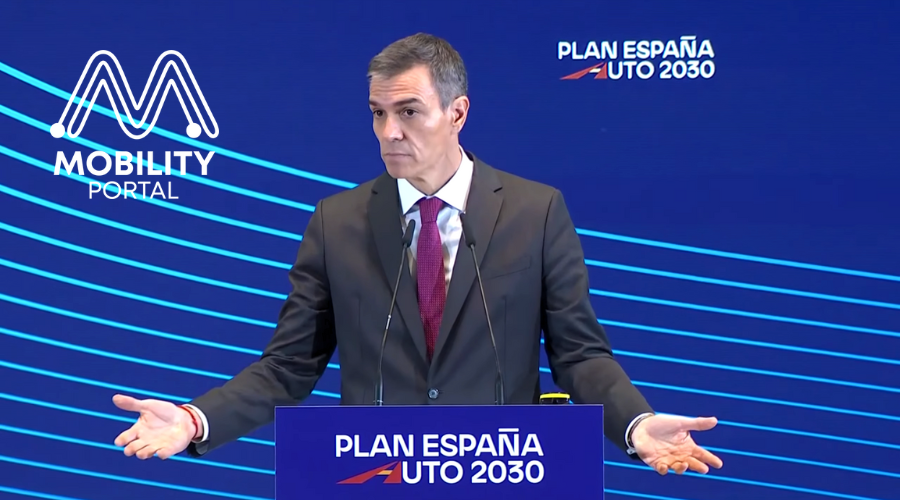
Spain Auto 2030: a point-by-point look at the plan set to redefine the eMobility landscape
Spain has entered a new phase in its industrial strategy for electric mobility. The Government has unveiled Spain Auto 2030, a roadmap designed to mobilise €30 billion over the next five years, reshaping the centre of gravity of the electric vehicle market through fresh incentives, a centralised management model, targeted investment in charging infrastructure and…
-
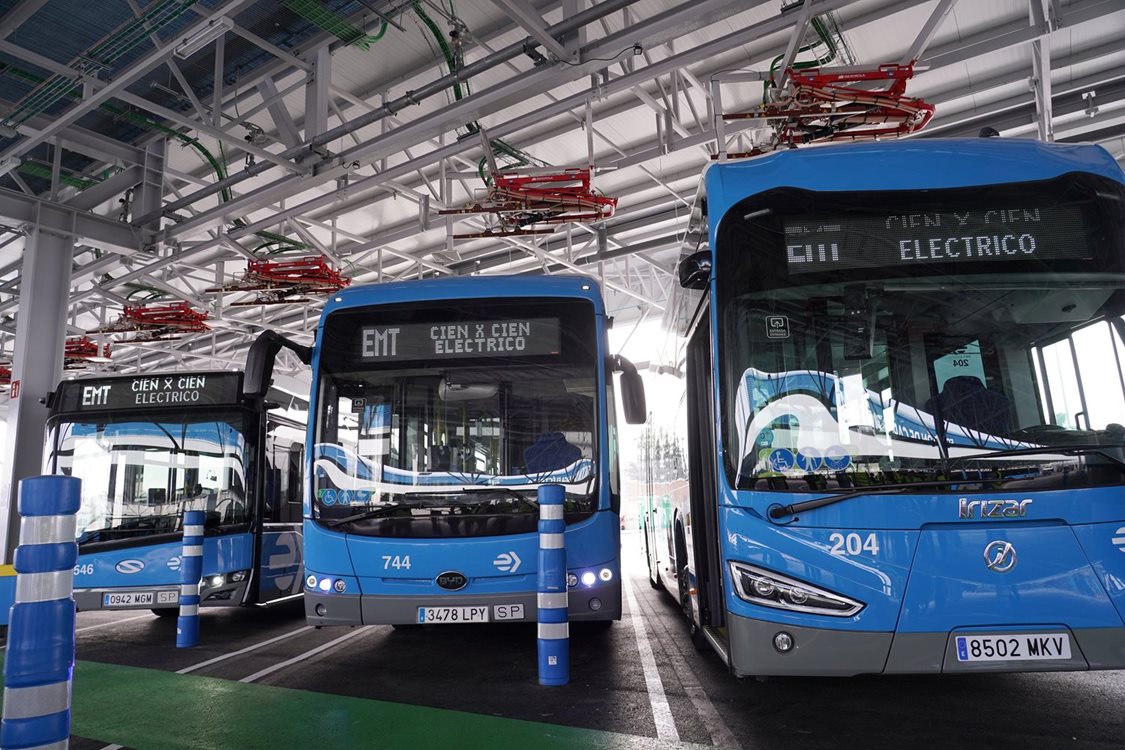
EMT Madrid licita 120 nuevos buses eléctricos: inversión de 79,35 millones y entregas entre 2026-2027
Con esta incorporación, Madrid refuerza su estrategia de descarbonización y consolida una de las flotas eléctricas urbanas más grandes de Europa.