




The public transport operator BVG has launched pilot tests of autonomous shuttles in north-west Berlin as part of the NoWeL4 project.
The initiative aims to pave the way for large-scale deployment of self-driving vehicles integrated into the public transport system.
In north-west Berlin, the first VW ID. Buzz AD shuttles equipped with Level-4 autonomous driving technology are now operating on public roads.
Although the service currently runs without passengers, this marks the initial phase of what is expected to become Germany’s largest fleet of autonomous vehicles in public transport.
According to BVG, the results of the pilot will be scalable to larger vehicle fleets — potentially in the five-digit range — and to expanded operational areas.
Passenger trials are scheduled to begin in the first half of 2026.
The project receives 9.5 million euros in funding from the Federal Ministry for Digital and Transport under the directive “Autonomous and Connected Driving in Public Transport”.
The long-term goal is to integrate flexible autonomous services into the conventional public transport network, enabling a more tailored mobility offering for Berlin residents.
What is NoWeL4?
NoWeL4, short for Nord-Westraum Level 4, involves the deployment of five autonomous vehicles across a 15-square-kilometre test area. This zone includes parts of Spandau, Charlottenburg-Wilmersdorf and Reinickendorf.
The service area is significantly larger than in BVG’s previous autonomous vehicle projects. Within this zone, the vehicles will operate freely, servicing approximately 80 bus stops and virtual pick-up points on demand.
Unlike earlier pilots in the city, the new vehicles are equipped for Level-4 autonomy. This enables fully driverless operation, although a human operator will remain on board during the test phase to supervise and intervene if necessary.
The vehicles are also remotely monitored from a dedicated project control centre.
The test phase is scheduled to run until 2027.
BVG intends for autonomous driving to become a permanent feature of Berlin’s mobility landscape once testing is complete.
Initially, passenger participation will be limited to selected test groups. Individuals interested in taking part will be able to apply, with further details to be announced in due course.
The full rollout of the fleet is subject to regulatory approval for series production and operation of Level-4 vehicles by both federal and Berlin authorities.
The vehicles
The project deploys five fully electric minibuses of the VW ID. Buzz AD model.
These vehicles are equipped with advanced sensor technology, including 13 cameras, 9 LiDAR sensors, and five radar sensors, providing a 360-degree view to enable safe driving in all weather conditions.
The vehicles are capable of Level-4 autonomous operation, meaning they can drive entirely without human input.
However, during the test phase, a trained safety driver will remain on board to monitor the systems and intervene if necessary. In addition, the vehicles are remotely supervised from a dedicated control centre.
Timeline and implementation
- 2023–2025: Planning and preparation phase
- Autumn 2025: Test and calibration runs without passengers
- From the first half of 2026: Pilot operations with closed user groups
- From 2027: Authorisation phase
- Thereafter: Gradual fleet expansion for permanent deployment of autonomous shuttles
Timeline and implementation
The shuttles operate on demand — not according to a fixed timetable. Rides can be booked via an app, which displays the nearest pick-up point and guides users to their destination.
Operating hours are Monday to Friday from 9:00 to 16:00. Participation in the trial will be possible from 2026 upon successful registration. Test rides will be free of charge for selected participants.
Accessibility
The vehicles currently used in the pilot phase are not yet fully accessible. However, the development of accessible solutions is a stated goal for future regular operations.
A scientific institute is supporting the project by conducting research, including consultation with persons with disabilities and their representative organisations, to ensure that this form of mobility will be inclusive in the long term.
READ MORE
-
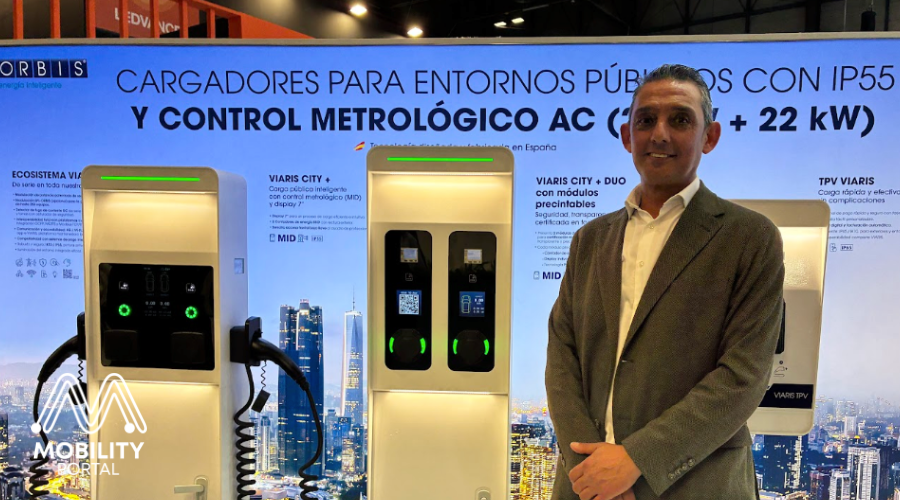
Connectivity, DC and high power: ORBIS’ three technology bets for eMobility charging in 2026
ORBIS is heading into 2026 with a clear technological focus: stronger connectivity, further development of its DC solutions and a decisive push towards high-power charging. The Spanish manufacturer is fine-tuning its portfolio to align with the evolving European regulatory framework, while introducing its new Viaris ISI charger.
-
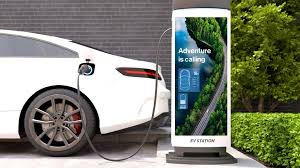
The charger’s ‘face’: why the HMI decides the success—or failure—of public chargers
Touchscreens at charge points act as the human–machine interface (HMI). If the interface fails, so does the charger. How can we ensure an optimal customer experience?
-
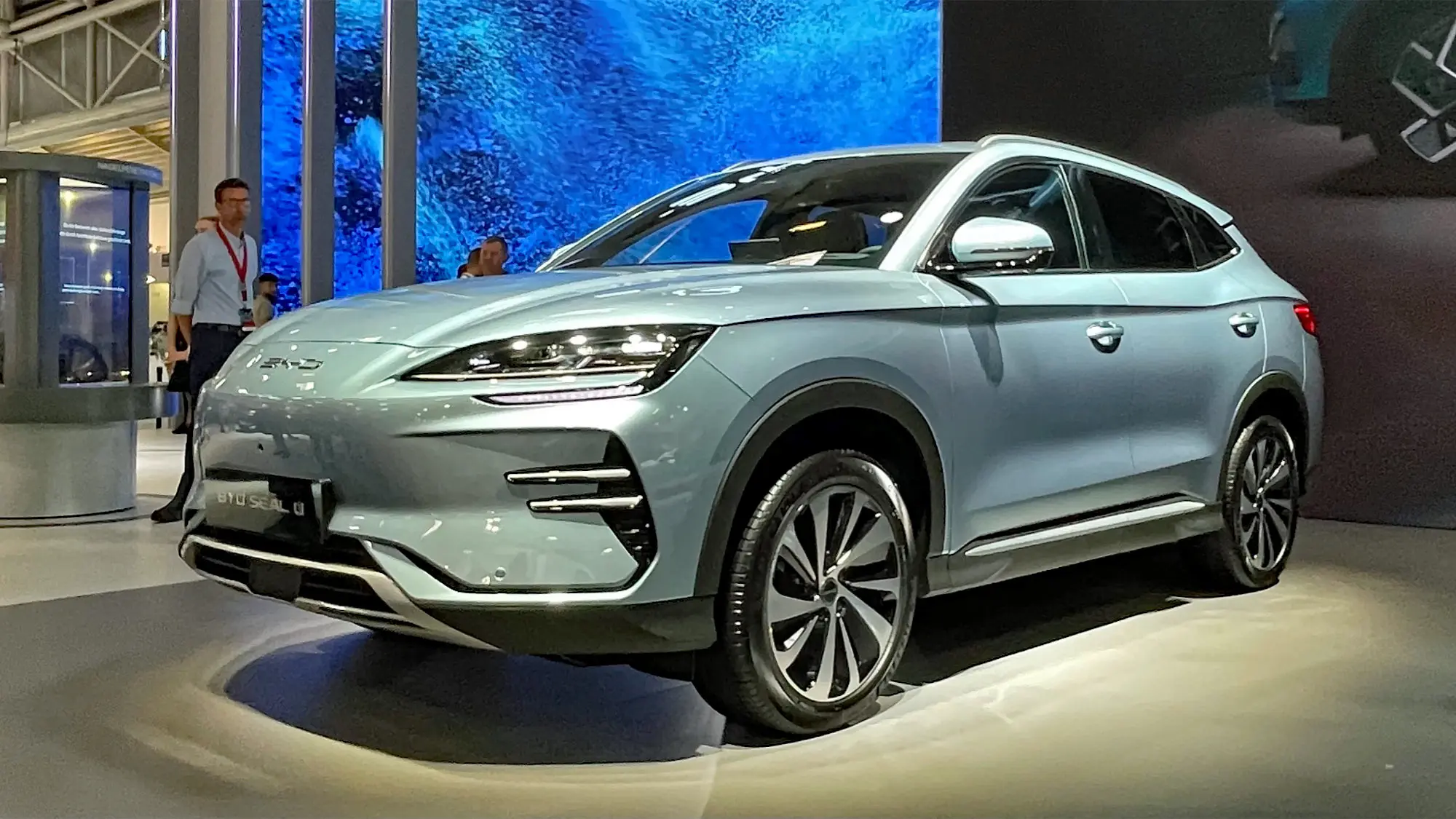
EV panorama in Europe: electric cars pass the 20% mark as BYD steps up its EU push
Europe’s electric vehicle market continues to gain ground: battery-electric cars exceed a 20% monthly share in November, BYD triples its registrations, and Tesla extends its loss of momentum, according to the latest data from ACEA.