





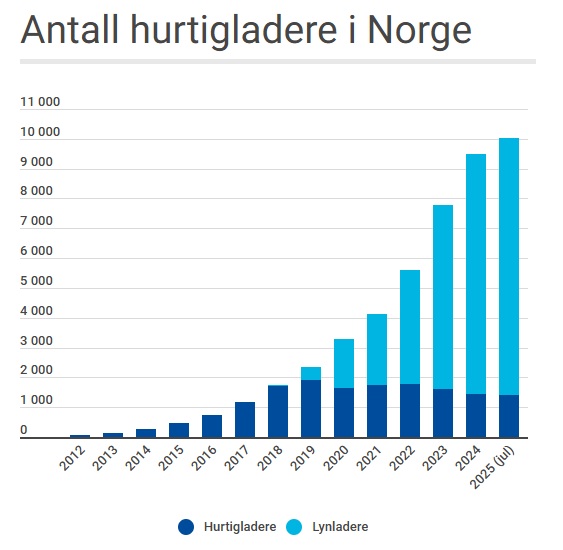
This week, Norway reached a new electric milestone with over 10,000 fast chargers spread across the country.
As of now, there are exactly 10,024 fast chargers nationwide.
The figures come from the NOBIL database, which is managed by the Norwegian EV Association on behalf of Enova.
As recently as October last year, the Association reported the number at 9,000 – meaning the last 1,000 fast chargers have been added in just the past nine months.
This milestone comes in the same year that Norway celebrates its 2025 target – that all new cars sold should be zero-emission vehicles.
“It’s both a symbolic and real victory that we’ve hit these two milestones at the same time. If everyone is to choose electric, it must be just as easy to charge in the north as in the south,” says Christina Bu, Secretary General of the Norwegian EV Association.
The number of chargers varies significantly from county to county.
Innlandet leads with nearly 1,500, while Finnmark ranks lowest with just over 100.
“There are still too few chargers in the far north, but overall, the development over the past few years has been impressive,” Bu adds.
The charging market has responded well to the steadily increasing number of EVs in Norway.
Over half of the fast chargers have been built in the past three years.
“This makes it much easier to find a charger, and long queues are no longer a major issue. We’ve also seen many new charging companies entering the market and competing for customers,” says Bu.
“We’re showing the world that Norway can handle the charging challenge – and the lights are still on,” she adds.
Bu is referring to concerns voiced just a few years ago that Norway’s power grid wouldn’t be able to cope with the number of fast chargers required – with the most pessimistic predicting widespread blackouts.
More chargers in Norway, faster charging, easier use
Far from blackouts, the opposite has happened – even though today’s fast chargers deliver significantly higher speeds than in the early days.
“The traditional 50 kilowatt fast chargers, which weren’t really that fast, are becoming rare. Nearly 90 per cent of all fast chargers now offer 150 kilowatts or more,” says Bu.
One last welcome development is that paying for charging has become much simpler than it was in the early days.
“It’s important that chargers are user-friendly and offer flexible payment options. That’s why we’re pleased that all new fast chargers allow for contactless payment with a phone or bank card – in addition to the option of using our EV Association app and charging tag,” Bu concludes.
READ MORE
-
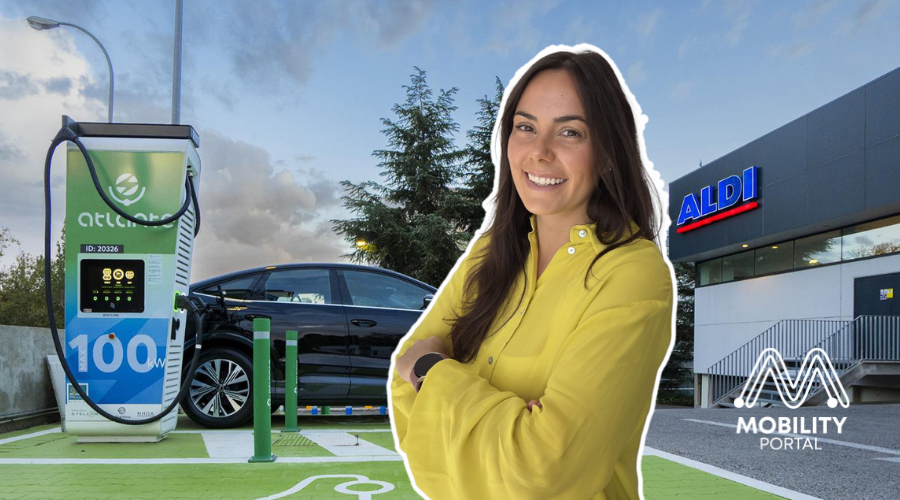
Atlante y su “modelo híbrido”: generación, almacenamiento y recarga ultrarrápida para un sistema más resiliente
Atlante acelera su despliegue en España y en diálogo con Mobility portal, Inés Mackey, Chief of Staff de Atlante Iberia define las prioridades de la empresa y su apuesta por la interoperabilidad de la mano de Charge League.
-
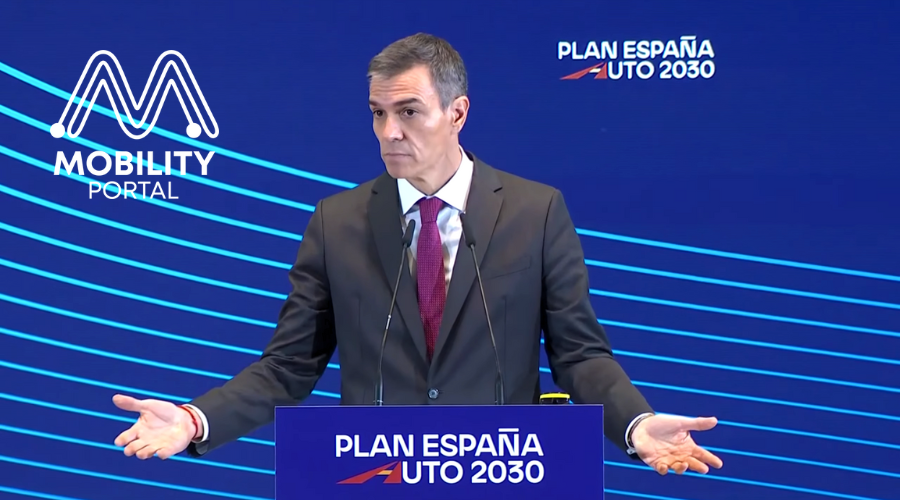
Spain Auto 2030: a point-by-point look at the plan set to redefine the eMobility landscape
Spain has entered a new phase in its industrial strategy for electric mobility. The Government has unveiled Spain Auto 2030, a roadmap designed to mobilise €30 billion over the next five years, reshaping the centre of gravity of the electric vehicle market through fresh incentives, a centralised management model, targeted investment in charging infrastructure and…
-
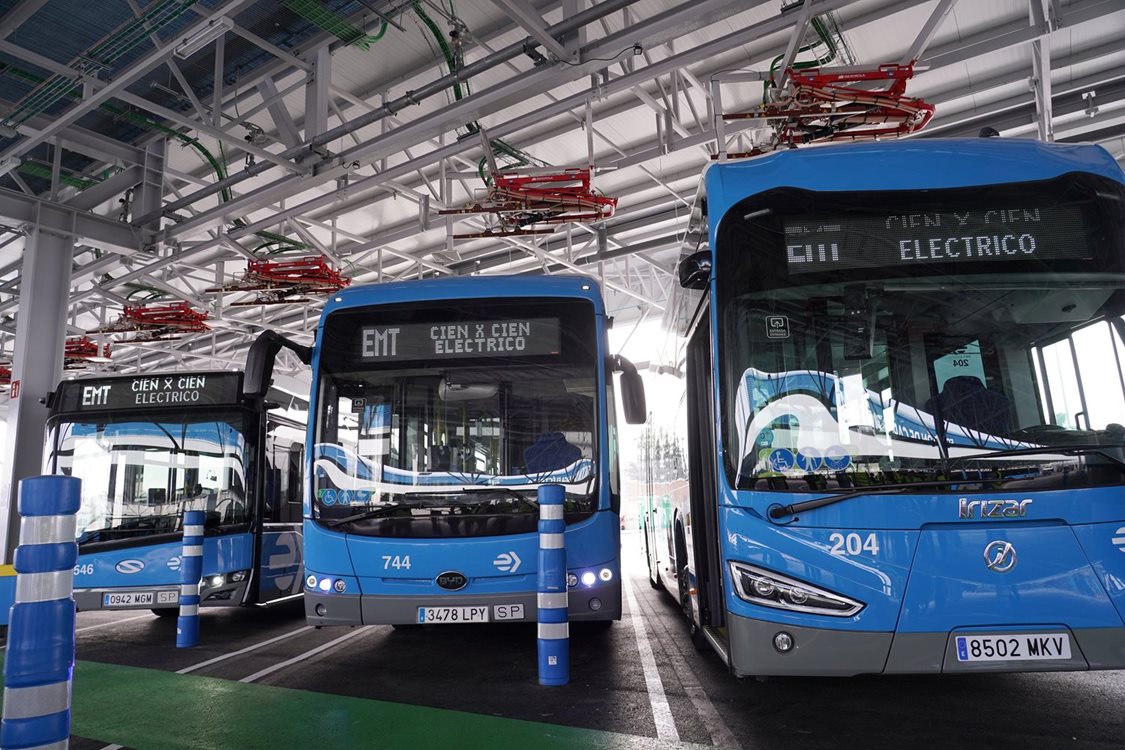
EMT Madrid licita 120 nuevos buses eléctricos: inversión de 79,35 millones y entregas entre 2026-2027
Con esta incorporación, Madrid refuerza su estrategia de descarbonización y consolida una de las flotas eléctricas urbanas más grandes de Europa.