




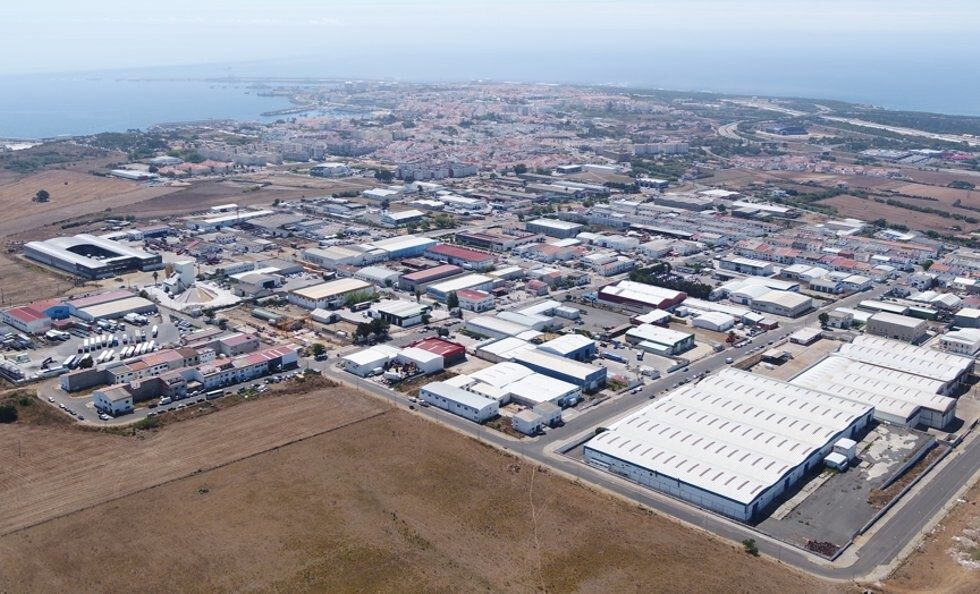
Portugal has secured approval from Brussels for a project to build a new-generation lithium battery factory.
The NEXTGEN CAM project, dedicated to producing LNMO (Lithium Nickel Manganese Oxide) cathode active material, is one of the 61 chosen by the European Commission to receive funding through the Innovation Fund, a programme that supports low-carbon technologies in strategic industrial sectors.
The future factory will be the first industrial unit of its kind in Europe, positioning itself as a direct contribution to the European Union’s technological and energy autonomy in the field of batteries — a sector considered critical for the energy transition and the development of electric mobility.
The LNM technology stands out for being cobalt-free, a material that is costly and has significant environmental and social impacts during extraction.
Moreover, the new compound promises higher energy density, longer durability, and lower production costs, while using lithium more efficiently than the materials currently dominating the market.
According to the European Commission, this innovation meets the growing demand for rechargeable lithium-ion batteries for electric vehicles (EVs) and energy storage systems, including industrial and heavy mobility applications.
The project will be financed through the EU Innovation Fund, which is funded by revenues from the EU Emissions Trading System (ETS).
In total, Brussels has approved 2.9 billion euros to support the 61 selected projects, spread across 18 countries and 19 industrial sectors — ranging from renewable energy and energy storage to electric mobility and clean technologies.
The Commission estimates that these projects, taken together, will prevent the emission of 221 million tonnes of CO₂ during their first decade of operation — equivalent to the annual emissions of around 9.9 million European cars.
The specific funding amount to be allocated to the Portuguese NEXTGEN CAM project is expected to be defined during the first half of 2026.
READ MORE
-
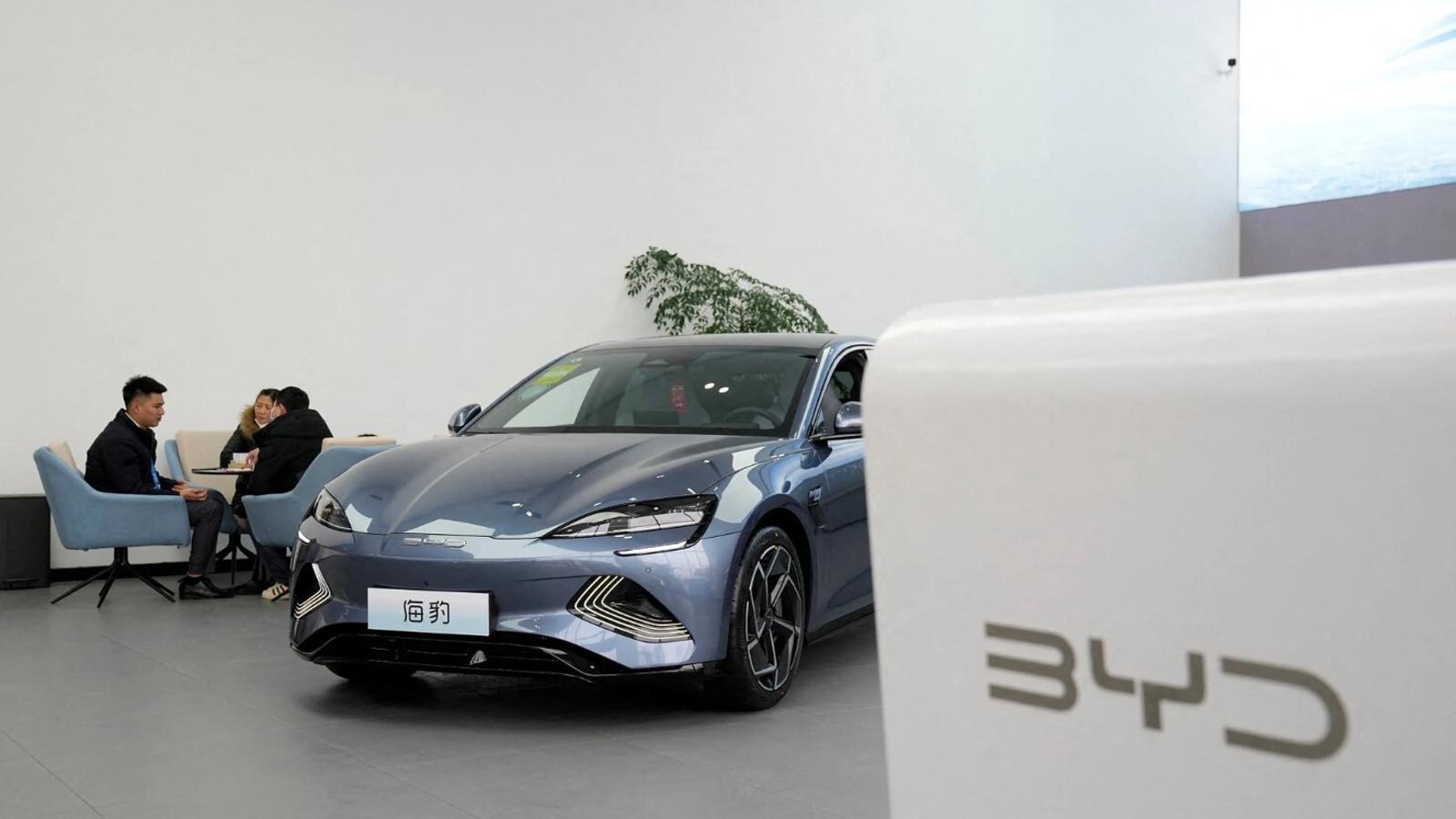
Bruselas fija las reglas del precio mínimo para que el coche eléctrico chino pueda evitar los aranceles
La Comisión Europea publica directrices que detallan cómo deben estructurarse los compromisos de precios de los fabricantes chinos de vehículos eléctricos si quieren quedar exentos de los gravámenes impuestos por la UE, que siguen plenamente en vigor.
-
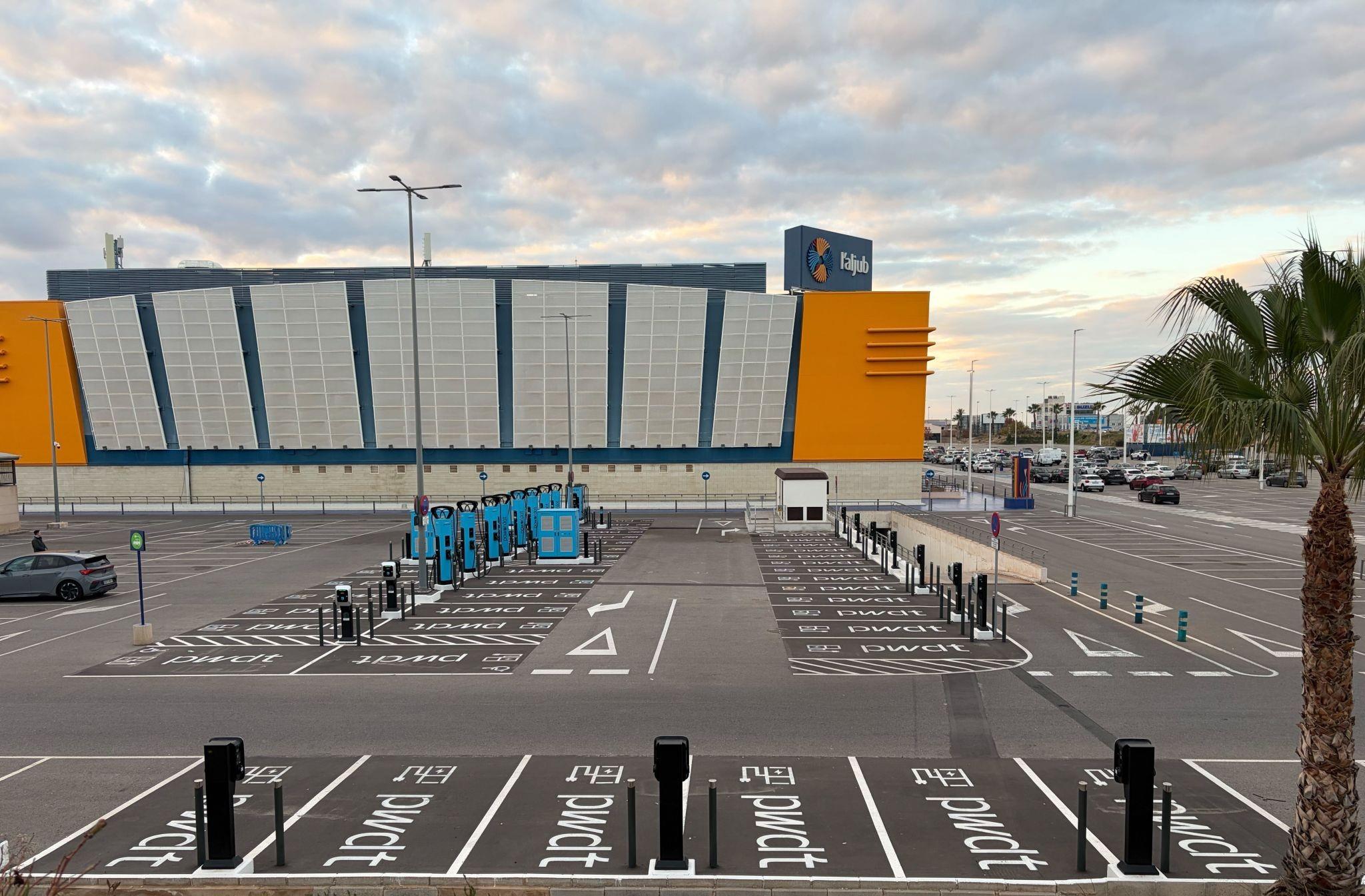
Powerdot inaugura en Elche un hub de 1,3 MW y consolida la mayor infraestructura de recarga ultrarrápida de España
La compañía pone en marcha una infraestructura de 1.300 kW de potencia total y 45 plazas electrificadas, marcando un nuevo hito en el despliegue de recarga de alta potencia en el país.
-
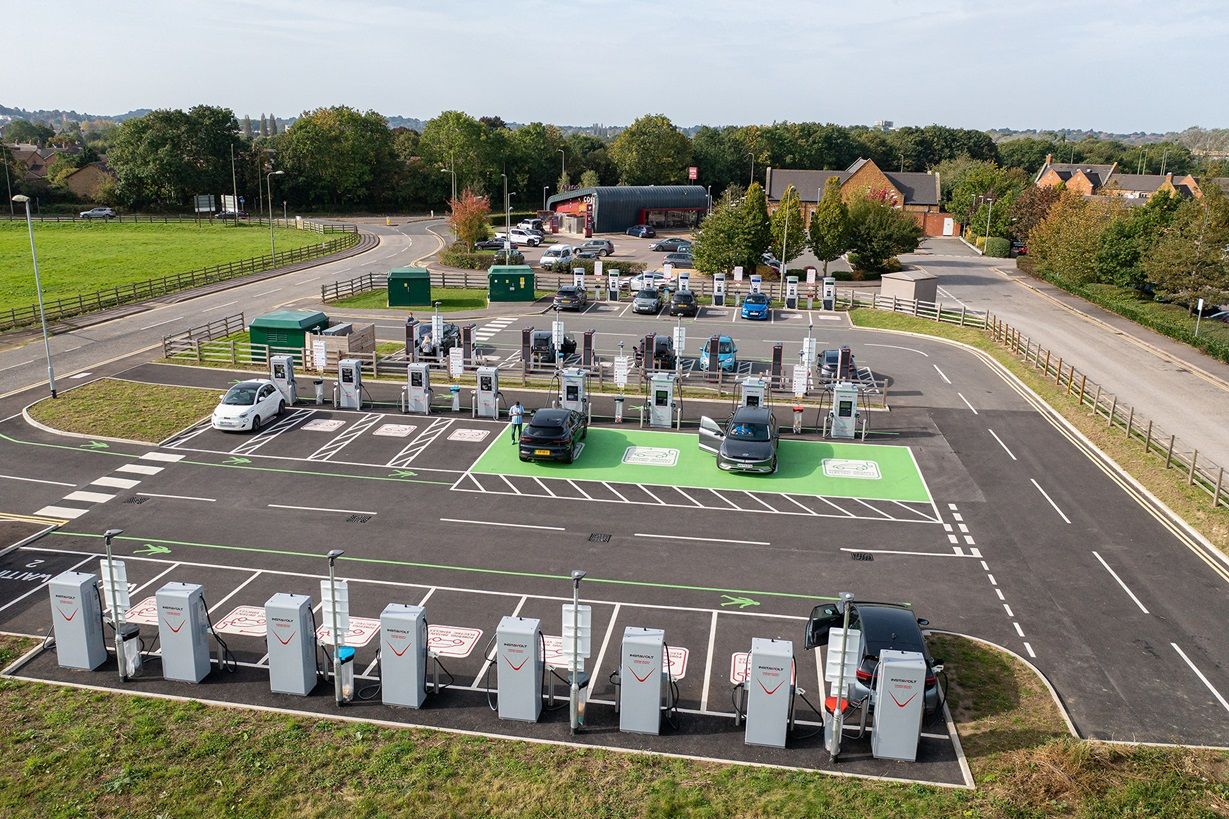
Spain reaches 50,000 public EV charging points as high-power infrastructure drives growth in 2025
Public charging infrastructure expanded by more than 10% year-on-year, with ultra-fast and high-power chargers leading the rollout, according to data from AEDIVE.